

Every semester starts with good intentions.
You buy fresh notebooks, reorganize your laptop folders, maybe even convince yourself that this will be the semester when every assignment gets finished days before it’s due. Then classes pick up speed. Group projects appear. Exams seem to arrive all at once. Somehow, the calendar that looked so manageable in August starts feeling a little crowded.
For students living in Kennesaw GA apartments, staying productive often comes down to creating habits that actually fit everyday life. Not perfect habits. Just realistic ones.
The good news is that a few small adjustments can make a surprisingly big difference.
Create a Study Space You Actually Want to Use
One of the easiest ways to improve productivity is to have a dedicated place for studying.
That sounds obvious, but many students end up working from their beds, the couch, or wherever they happen to be sitting when inspiration strikes. Sometimes that works. Most of the time, it becomes an invitation to scroll social media for twenty minutes before opening an assignment.
Whether you’re living alone or sharing space with roommates, try creating a study area that feels separate from where you relax. It doesn’t have to be elaborate. A clean desk, decent lighting, and a comfortable chair can go a long way.
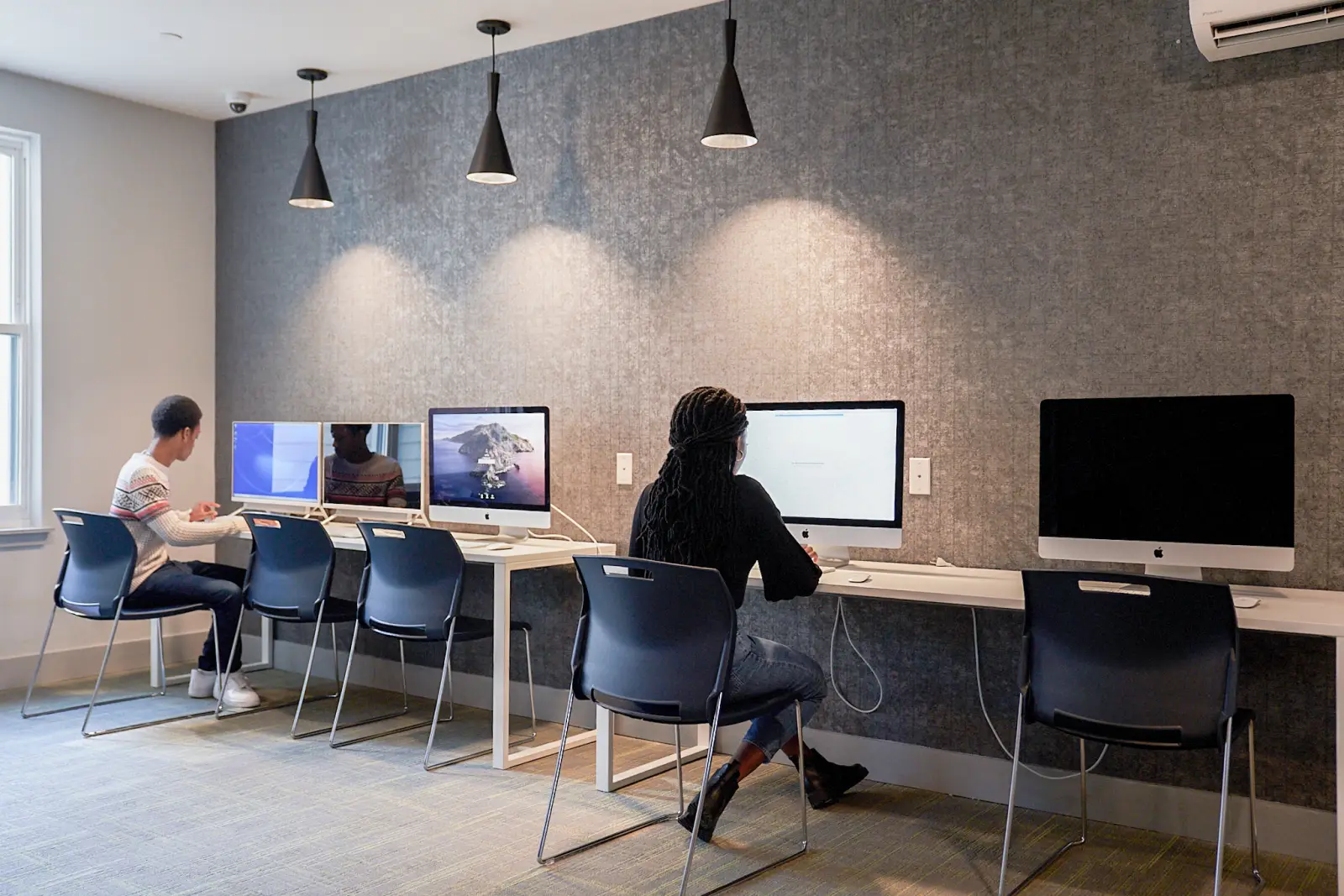
Residents at Bixby have access to spaces that make it easier to switch into study mode when needed. Even having the option to leave your bedroom and work somewhere else can help create a mental distinction between downtime and productivity.
Use Your Environment to Stay Focused
A lot of productivity advice focuses on motivation. Personally, I think environment matters just as much.
When your phone is within reach, notifications are popping up, and the television is running in the background, concentration becomes difficult. Not impossible, just harder than it needs to be.
Try reducing friction wherever you can:
- Keep study materials organized.
- Silence unnecessary notifications.
- Use noise-canceling headphones if you live with roommates.
- Keep water and snacks nearby so you aren’t constantly getting up.
The less energy you spend managing distractions, the more attention you can give to coursework.
Stop Trying to Study for Hours at a Time
Many students assume productive studying means sitting at a desk for three or four uninterrupted hours.
Honestly, that sounds exhausting.
Shorter study sessions often work better. The Pomodoro Technique remains popular for a reason. Study for 25 minutes, take a five-minute break, then repeat.
The exact timing isn’t important. What matters is maintaining focus during the time you’re actually working.
Sometimes a focused 45-minute session accomplishes more than an entire afternoon spent half-paying attention.
Take Advantage of Community Amenities
One overlooked benefit of living in student housing is having access to different environments throughout the day.
If you find yourself losing focus inside your apartment, consider changing locations. A different setting can provide just enough mental reset to get back on track.
At Bixby, students can utilize community spaces that support both social interaction and academic productivity. Exploring the property’s amenities may help you discover a study spot that feels more productive than your bedroom desk.
It’s a small thing, perhaps, but changing scenery often helps when your brain starts feeling stuck.
Build a Weekly Schedule Instead of a Daily One
Daily schedules can be helpful, but they’re also easy to abandon when life gets busy.
A weekly approach tends to offer more flexibility.
At the start of each week, identify:
- Upcoming exams
- Assignment deadlines
- Group meetings
- Work shifts
- Personal commitments
Then estimate when you’ll realistically complete each task.
Notice the word realistically.
Many students plan as if they’ll be productive every hour of every day. Most people aren’t. Leaving some room for unexpected interruptions makes your schedule more likely to survive the week.
Make the Most of Living Near Campus
One advantage of living in Kennesaw GA apartments close to Kennesaw State University is convenience.
Less time commuting often means more time available for studying, attending office hours, meeting classmates, or simply taking a break between classes.
Students living at Bixby’s location near KSU can spend less time worrying about transportation logistics and more time focusing on academic priorities.
That extra time adds up. Ten or fifteen minutes here and there may not seem significant, but across an entire semester, it becomes substantial.
Don’t Ignore Sleep
This tip appears in nearly every productivity article, and honestly, that’s because it deserves to.
Students sometimes treat sleep as optional during busy weeks. Pulling an all-nighter can feel productive in the moment, especially when deadlines are looming.
The problem is that exhaustion affects concentration, memory retention, and decision-making.
In other words, the things you’re trying to improve by studying.
Getting enough sleep isn’t avoiding work. It’s part of doing the work well.
Give Yourself Permission to Be Imperfect
Productivity isn’t about maximizing every minute.
Some days will go exactly as planned. Others won’t.
You might miss a study session. You might spend too much time on your phone. You might stare at a textbook for twenty minutes before realizing you haven’t absorbed a single sentence.
That’s normal.
The students who stay productive throughout the semester aren’t necessarily the most disciplined. Often, they’re simply the ones who recover quickly after an unproductive day and start again tomorrow.
Key Takeaways
- Create a dedicated study space that separates work from relaxation.
- Use shorter, focused study sessions instead of marathon study days.
- Take advantage of community amenities and multiple study environments.
- Build flexible weekly schedules that account for real life.
- Prioritize sleep and consistency over perfection throughout the semester.